


Understanding Guardianship Basics
Guardianship can feel like standing at the bottom of a mountain with no climbing gear — the terminology, the procedures, and the stakes are immense. But with the right guidance, you can find the footholds to make the climb.
At its core, guardianship is a legal status granted by a court. It gives a person — the guardian — the authority and responsibility to manage the personal and/or financial affairs of another, called the ward, who cannot do so themselves. This incapacity might result from age (such as a minor child), disability, or mental incapacity.

This is different from custody. While custody often involves parental care of a child, guardianship can transfer decision-making authority to non-parents or professionals. Guardianships fall into different categories:
- Guardianship of the Person – Managing healthcare, living arrangements, and daily welfare decisions.
- Guardianship of the Estate (or conservatorship) – Handling the ward’s finances and property.
Both types come with fiduciary duties, meaning the guardian must always act in the best interest of the ward — a legal and ethical obligation.
Determining the Need for Guardianship
When is guardianship truly necessary? The answer isn’t always clear and is as much about protection as it is about preserving independence.
Consider these situations:
- A parent passes away, leaving a minor child without a caregiver.
- An elderly parent with dementia can no longer manage personal or financial decisions.
- A disabled adult child needs ongoing medical and daily living assistance into adulthood.
Court-appointed guardianship is generally a “last resort.” Courts prefer less restrictive alternatives first, such as a power of attorney or a trustee arrangement, if these adequately protect the individual. However, when someone lacks legal capacity for informed decisions, guardianship becomes the safer, long-term solution.

For a minor, guardianship can ensure educational stability, medical care authorization, and consistent caregiving. For an incapacitated adult, it can protect against financial exploitation and health neglect.
Initiating the Guardianship Process
Starting a guardianship isn’t as simple as filling in a form; it’s a deliberate legal process with multiple checkpoints designed to safeguard rights.
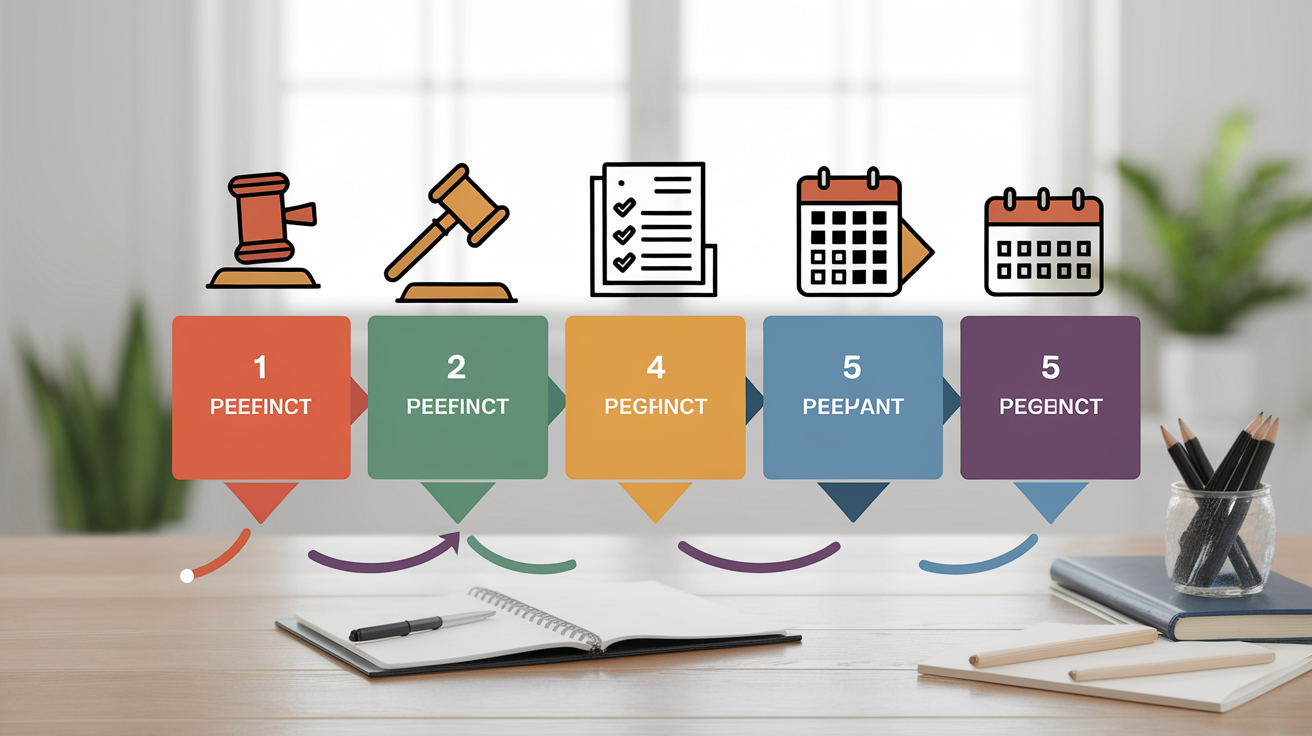
Here’s the typical sequence for establishing guardianship through the probate court or other state-authorized court:
- File a Petition – An interested party, such as a family member, applies for guardianship. This includes detailing why the ward cannot manage independently.
- Notify Interested Parties – Family members and, in some cases, the potential ward are formally informed.
- Capacity Evaluation – A medical or psychological assessment determines the ward’s decision-making ability.
- Court Hearing – Evidence is presented. A guardian ad litem may be appointed to represent the ward’s interests.
- Court Decision – The judge appoints a guardian if clear necessity is proven.
Depending on your state, there may also be a bond requirement, background checks, and training for new guardians. Costs can range widely — from court filing fees of $100–$400 to attorney fees that may exceed $3,000 for contested cases.
Responsibilities and Duties of a Guardian
Becoming a guardian is taking on legal responsibility with real-world impact. It’s stepping into someone’s shoes — and walking carefully in every direction.
Guardians are expected to:
- Make personal care decisions — where the ward lives, what medical treatments they receive, and their daily welfare.
- Oversee financial management — paying bills, managing assets, and ensuring no misuse of funds.
- Comply with court oversight — this often includes annual reporting on the ward’s well-being and accounts.
- Act as a fiduciary — putting the ward’s needs above personal interest, avoiding conflicts of interest.
Guardianship for adults and elderly relatives can also involve arranging protective services, coordinating elderly care, and providing supervised visitation if needed. Breaching these duties can lead to removal by the court.
Benefits and Long-Term Considerations
Guardianship is not a quick fix, but it can be a lifeline. When done right, it creates stability, safety, and dignity for someone who otherwise might face neglect or exploitation.
Benefits include:
- Ensuring consistent care for minors without parents.
- Protecting an incapacitated adult’s finances and health.
- Providing legal authority to act in emergencies.
- Bringing peace of mind to families, knowing a trusted person has control when it’s needed most.
However, there are long-term realities to consider. The process can be emotionally taxing and financially demanding, and in some states, guardianship may last until the ward regains capacity — which could mean years. Courts review cases periodically, and guardians must maintain records, stay available for legal inquiries, and sometimes navigate challenging family dynamics.
Think of guardianship as a bridge — it spans the gap between a person’s needs and their safety, but it requires ongoing maintenance. With informed planning, commitment, and respect for the ward’s dignity, you can cross that bridge successfully.


 By
By


